
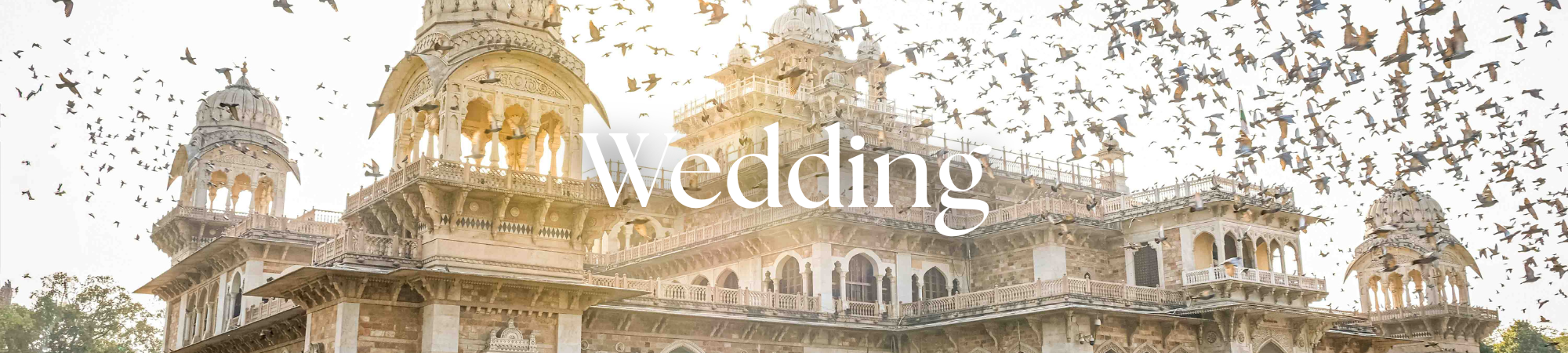
A Hindu Telugu wedding ceremony typically spans several days and includes various rites for both the bride and groom, culminating in their sacred union. Here’s an overview of the rituals on the wedding day.
Key Pre-Wedding Rituals
- Mangala Snanam: Both bride and groom take an auspicious bath on the wedding morning to purify themselves before the ceremony begins.
- Vadugu and Snathakam: These ceremonies mark the transition of the groom’s life from bachelorhood to getting ready for marriage and settling down.
- Kashi Yatra: The groom pretends to leave for Kashi to pursue spiritual life, but is persuaded by the bride’s family to choose marriage instead.
- Ganesh and Gauri Puja: The groom performs Ganesh puja for removal of obstacles, while the bride performs Gauri puja seeking blessings for marital prosperity and fertility.
Main Wedding Ceremony
- Bride’s Entry: The bride enters the mandap (wedding altar) sometimes in a decorative basket.
- Kanyadanam: The bride’s parents officially give her away, washing the groom’s feet as a mark of respect and spiritual symbolism.
- Panigrahanam: The groom holds the bride’s hand and promises companionship in all aspects of life, chanting special mantras three times.
- Jeelakarra Bellam: The couple places a paste of cumin and jaggery on each other’s heads as a symbol of inseparability and the official start of their union.
- Mangalsutram: The groom ties the sacred yellow thread (mangalsutra) around the bride’s neck, traditionally in three knots representing commitment in mind, speech, and actions.
Completion and Celebration
- Talambralu: The couple showers each other with rice mixed with colored pearls, symbolising prosperity and playfulness, often joined in by both families.
- Pradhanam: The bride and groom play a game to find a ring in a pot of water, adding an element of friendly competition.
- Saptapadi: Bride and groom take seven steps around the sacred fire, vowing mutual growth, support, and enduring friendship.
- Blessings: Elders bless the newlyweds with rice or flower petals, and the festivities continue with music, food, and dance.
Dress Code
Indian weddings are lively and colourful affairs, owing in no small part to the guests and their outfits. You can choose to wear traditional Indian wear or elegant Western wear, no restrictions here. If you’re excited to go for traditional Indian wear, there is a wide variety to pick from – Lehengas, Sarees, Langa voni (half-saree) and Chudidars for women and Kurta Pyjama, Pancha, Jodhpuri suit and Sherwani for men, to name a few. Just avoid predominantly white or black outfits and ensure that your clothes cover your knees.